
Last Updated: November 7, 2026
Quick Summary
The 5 best interactive toys for solo play are the Silicone Lick Mat for Dogs, Dog Slow Feeder Bowl, Petal Slow Feeder Dog Bowl, Cat Lick Mat with Suction Cups, and Pet Silicone Snack Catcher. Each interactive toy works without a human, cleans up easily, and holds up to daily use, though none replaces exercise or company.
- A toy your dog solves in ninety seconds is a distraction, not enrichment.
- We scored picks on retention, stability, cleanup, and durability, with price last.
- None of the five picks use batteries, cords, or detachable pieces.
- Keep two or three toys in circulation and swap them every few days.
- Never use peanut butter or spreads containing xylitol, which is toxic to dogs.
Table of Contents
- What Counts as an Interactive Toy for Solo Play
- How We Picked: Testing Standards and Safety Checks
- 1. Silicone Lick Mat for Dogs: Best for Calming Solo Sessions
- 2. Dog Slow Feeder Bowl: Best for Mealtime Enrichment
- 3. Petal Slow Feeder Dog Bowl: Best Budget Pick
- 4. Cat Lick Mat with Suction Cups: Best for Multi-Pet Homes
- 5. Pet Silicone Snack Catcher: Best for Treat-Dispensing Dog Toys
- Are These the Best Dog Puzzle Toys for Independent Play?
- Frequently Asked Questions
What Counts as an Interactive Toy for Solo Play
Interactive toys for solo play are products a pet can use without a person actively throwing, tugging, or guiding them. At HomeBodyPet, we define the category by one test: does the pet stay engaged after the human walks away?
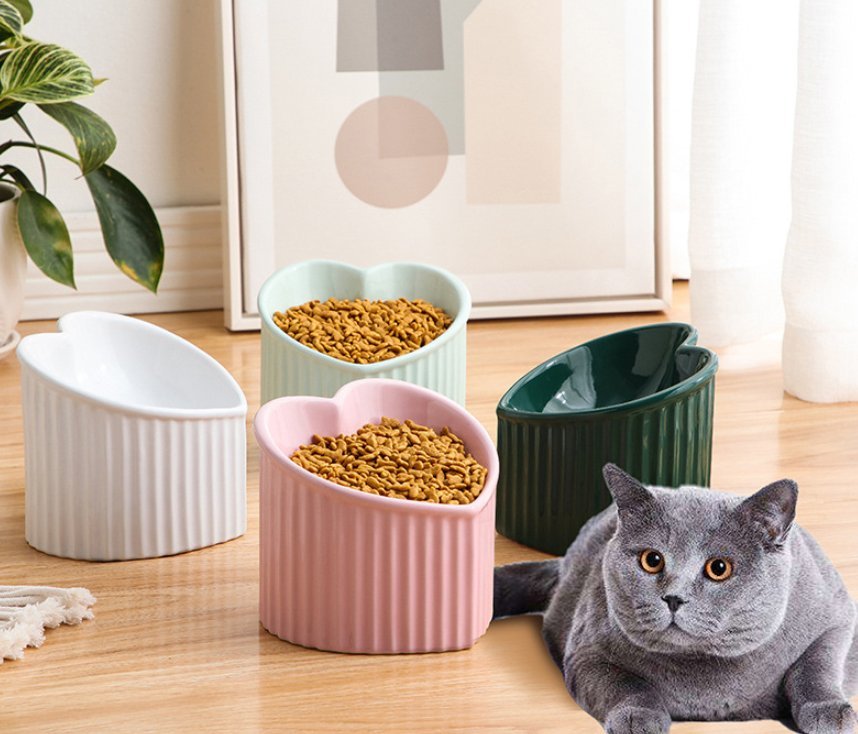
The 5 best interactive toys for solo play are not the flashiest ones on the shelf. They are the ones that still work on day thirty.
The American Kennel Club's guidance on enrichment and boredom makes a useful distinction: a toy your dog solves in ninety seconds is a distraction, not enrichment. A toy that stretches a meal from thirty seconds to fifteen minutes changes the shape of your dog's afternoon.
Why Solo Play Toys Fail (and What Makes One Last)
Most solo toys fail for one of three reasons: the food falls out too fast, the toy slides across the floor, or the pet chews through the soft parts. A durable pick solves all three at once.
A common mistake is buying for novelty instead of structure. A toy that squeaks is fun for four minutes. A textured surface that holds food in place keeps working because the food itself is the reward.
What most guides miss is that suction and weight matter as much as material. A mat that skids under a determined licker gets abandoned. A bowl that tips gets flipped. Look for a non-slip base or suction cups before you look at color.
How We Picked: Testing Standards and Safety Checks
We chose these five by scoring each product on four criteria: how long it holds a pet's attention without help, how well it stays put, how easy it is to clean, and how it holds up to daily use. Price came last, not first.
The four scoring criteria, with the thresholds we used:
- Retention: does the food stay in the grooves or maze rather than sliding out? We loaded each toy with the same amount of wet food and kibble and timed engagement across three sessions. A pick that lost engagement in under two minutes on the first try was flagged, because first-session novelty inflates results.
- Stability: non-slip base, suction cups, or enough weight to resist pushing. We placed each toy on tile, sealed hardwood, and a low-pile rug, then observed whether it moved more than a few inches. Suction cups were tested on clean, dry, non-porous surfaces and re-checked after twenty minutes, since suction weakens as surfaces collect dust and pet hair.
- Cleanup: dishwasher safe beats hand-scrubbing every single day.
- Durability: food-grade silicone that survives freezing and repeated washing. We froze each freezable toy, thawed it, washed it, and repeated the cycle to check for cracking or loss of shape.
Safety checks for unsupervised play. Solo play means the pet is alone with the toy, so the safety bar is higher than for a toy you hold. We checked each pick against the following:
- Small parts and detachable pieces: anything a dog or cat could chew off and swallow was disqualified. Lick mats and maze bowls with molded-in textures passed; toys with removable caps or inserts did not.
- Cords and strings: none of these picks have cords, which is deliberate. Ropes and dangling toys are for supervised tug and chase, not solo time, because a loop can catch on a jaw or a furniture leg.
- Batteries: none of the five picks use batteries or power. Battery compartments are a chew risk and a choking hazard if opened, and self-activating electronic toys add noise and failure points that a food-based toy avoids.
- Chew resistance: silicone is durable but not indestructible. We inspected each toy after every session for tears, and we retired any toy with a nick or puncture. A torn lick mat can be swallowed in pieces, so inspection is not optional.
- When supervision is still needed: supervise until you know how your pet handles the toy, and keep supervising powerful chewers, puppies in the teething stage, or cats that bite at suction cups. A suction cup that pops off under determined pawing becomes a small, swallowable object.
On food safety, the ASPCA's pet care and toxic-substance guidance is a good reference for what is safe to spread on a lick mat. Never use peanut butter or spreads containing xylitol, which is toxic to dogs.
Our audience is adult dogs and cats in households where someone is out of the house for part of the day, plus multi-pet homes and senior dogs that need gentler activity.
1. Silicone Lick Mat for Dogs: Best for Calming Solo Sessions
A lick mat is the closest thing to a universal solo-play tool. Spread wet food, plain yogurt, or peanut butter across the textured grooves, and a thirty-second meal becomes a longer, calmer licking session.
The Silicone Lick Mat for Dogs is $19.99, 15 cm in diameter, and made from 100% food-grade, BPA-free silicone. It is freezer-friendly, so you can prep a frozen version before you leave, and dishwasher safe.

It is suited to storms, grooming, nail trims, vet visits, and the cooldown after a walk. It is a settling tool, not an exercise substitute.
Best for: dogs that need to wind down or stay calm while alone. Skip if: your dog needs physical exertion, not a calmer outlet.
2. Dog Slow Feeder Bowl: Best for Mealtime Enrichment
The best dog puzzle toys turn eating into a task.
The Dog Slow Feeder Bowl costs $29.00 and is built from durable silicone with a maze-style surface. It has double handles for lifting and positioning. It suits both dogs and cats and comes in several color combinations.

It is a mealtime tool rather than an all-day toy, and it can be paired with a lick mat for the rest of the day.
Best for: fast eaters and dogs that inhale their food. Skip if: your dog is already a slow, picky eater.
3. Petal Slow Feeder Dog Bowl: Best Budget Pick
If you want the mealtime benefit without the higher price, this is the pick. The Petal Slow Feeder Dog Bowl is $14.99 and uses a petal-shaped maze to slow eating and discourage gulping.
It is compatible with dry kibble, wet food, and raw diets. It has a non-slip rubber base and is dishwasher safe.
The trade-off is straightforward. At this price you get a bowl, not a full enrichment system. It will not hold a frozen treat or distract a dog during a thunderstorm.
Best for: budget-conscious buyers who want one reliable slow feeder. Skip if: you need a freezable or distraction-focused tool.
4. Cat Lick Mat with Suction Cups: Best for Multi-Pet Homes
Multi-pet homes need toys that stay where you put them, because two animals competing over one mat will push it across the room in seconds. The suction cups on this mat solve that.
The Cat Lick Mat with Suction Cups is $14.99, made from 100% food-grade, BPA-free silicone, and dishwasher safe. Strong suction cups anchor it to tile, sealed hardwood, glass counters, and carrier floors. One universal size suits cats and small dogs, in Blue, Red, and Rose Red.

Press it onto a smooth, clean, non-porous surface, and check it regularly for tears.
Best for: households with cats and small dogs sharing space. Skip if: you have only large dogs, since the size suits cats and small breeds.
5. Pet Silicone Snack Catcher: Best for Treat-Dispensing Dog Toys
Treat-dispensing dog toys keep a dog busy by making snacks take effort. This snack catcher is the simplest version of that idea: a $12.99 silicone dish that turns a handful of treats into a pawing and nosing session.
It comes in orange, blue, pink, and purple, and it is the cheapest way on this list to add a second enrichment station to your home.
The snack catcher holds a small amount, so it suits short treat sessions and can be rotated with other enrichment items.
Best for: quick treat sessions and rotation with other toys. Skip if: you need something that occupies a dog for hours unattended.
Are These the Best Dog Puzzle Toys for Independent Play?
Yes, with a caveat worth stating plainly.
Here is the buying comparison at a glance:
| Product | Price | Best For | Key Feature | Power | Setup | Cleanup | Noise | Replacement Parts |
|---|---|---|---|---|---|---|---|---|
| Silicone Lick Mat for Dogs | $19.99 | Calming solo sessions | Freezer-friendly, 15 cm | None | Spread and freeze | Dishwasher safe | Silent | None needed |
| Dog Slow Feeder Bowl | $29.00 | Mealtime enrichment | Maze surface, double handles | None | Fill and place | Hand wash | Silent | None needed |
| Petal Slow Feeder Dog Bowl | $14.99 | Budget pick | Non-slip rubber base | None | Fill and place | Dishwasher safe | Silent | None needed |
| Cat Lick Mat with Suction Cups | $14.99 | Multi-pet homes | Strong suction cups | None | Press to smooth surface | Dishwasher safe | Silent | None needed |
| Pet Silicone Snack Catcher | $12.99 | Treat dispensing | Compact, four colors | None | Fill and place | Hand wash | Silent | None needed |
Price
What the table does not tell you. None of these picks use batteries or power, so there is nothing to charge, no motor to fail, and no electronic noise that can startle a nervous pet.
Realistic expectations for solo play. Build solo play around a routine rather than expecting a single toy to carry the whole day.
How to introduce and rotate. Start with one toy and one short session while you are home, so the pet learns the mechanism before you leave.
For households juggling a senior dog and a high-energy young dog, the answer is usually two different tools rather than one compromise.
If you want to see how these fit into a fuller routine, our dog enrichment ideas guide covers the wider picture, and the slow feeder bowl collection page is the fastest route to the mealtime picks.
Frequently Asked Questions
What are some good interactive toys for solo play?
The most reliable options are ones that hold food and require work: lick mats, slow feeder bowls, and treat catchers. A textured silicone lick mat spread with plain yogurt or wet food keeps a dog busy for 15 to 30 minutes, and a maze bowl stretches a meal that would take two minutes into ten. These work because the dog is doing something, not just chewing on the same rubber toy. Rotate two or three so the novelty does not wear off.
Are interactive toys safe to leave with a dog unsupervised?
It depends on the toy and the dog. Silicone lick mats and slow feeder bowls are generally safe to leave down because there are no small parts to break off, but check them regularly and replace anything torn. Supervise the first few sessions with any new toy. If your dog is a heavy chewer who destroys soft items, start with short supervised sessions and remove the toy once the food is gone rather than leaving it in the crate all day.
How long should a dog play with a puzzle toy?
Most dogs finish a lick mat or slow feeder in 10 to 30 minutes, which is a reasonable single session. Two or three short enrichment sessions a day beat one long one. Watch for frustration: if your dog walks away, barks at the toy, or gives up in under a minute, the difficulty is too high. Frozen lick mats last longer than room-temperature ones, so they suit dogs that need more time occupied.
How do I keep a dog entertained alone without relying on toys all day?
Toys are one part of the routine, not the whole answer. A brisk walk before you leave takes the edge off restless energy, then a frozen lick mat or slow feeder gives your dog something to do in the first hour after you go. Leave a second enrichment item for mid-day. Skip the temptation to leave five toys out at once, since dogs ignore a pile and engage with one or two. Rotate what is available each day.

